
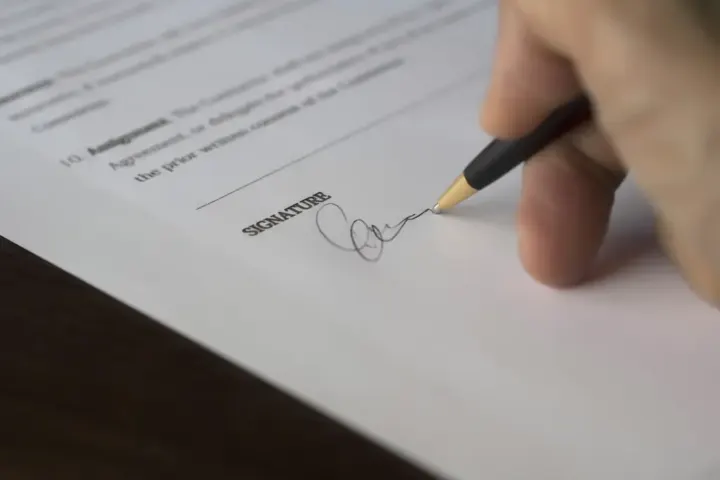
Documents issued in India often need to be attested or legalised before an employer, university or authority abroad will accept them. We can help you work out what your documents need and get them ready for each stage.
Attestation, apostille and legalisation are carried out by government authorities and embassies, not by Miras. We guide you through the process and help with the paperwork.
Who it is for
- Professionals moving abroad on a work visa, who are often asked for attested educational certificates
- Students applying to study abroad
- Families applying for a dependent visa, which may need attested marriage or birth certificates
- Businesses that need commercial documents accepted abroad
Documents we can help with
- Educational documents, such as degree and diploma certificates, mark sheets and school certificates
- Personal documents, such as birth, marriage and death certificates, affidavits and powers of attorney
- Commercial documents, such as certificates of origin, invoices and company documents
Which route a document takes depends on the document and the country where you will use it. Ask us about your documents before you start.
How attestation usually works
The route typically depends on whether the destination country is a member of the Hague Apostille Convention.
- Authentication in India: the document is typically authenticated first by the designated state authority (for educational certificates, usually the state education department) or, for commercial documents, a chamber of commerce. Some documents need a notary step before this.
- Ministry of External Affairs: MEA then issues an apostille for countries that are members of the Hague Apostille Convention, or a normal attestation for countries that are not.
- Embassy legalisation: for countries outside the Convention, the embassy or consulate of that country usually legalises the document after MEA attestation.
Some documents can be verified and attested online through MEA’s e-Sanad service. MEA currently receives other documents through its authorised service providers rather than directly from individuals, and we explain the route that applies to yours.
What you’ll need
- The original documents to be attested (or, for some documents, a true copy), because MEA does not legalise photocopies
- A copy of your passport
- The country where you will use the documents, and the purpose
- Any instructions from your employer, university or the embassy about the attestation they need
The exact requirements depend on the document, the issuing state and the destination country, and we confirm them at your consultation.
Processing time
Each stage is handled by a different authority, so timelines vary with the document type, the issuing state and the destination country. MEA advises applicants to apply well in advance, and we share the current picture for your documents at consultation.
How Miras helps
- Work out which documents need attestation and which route applies: apostille or embassy legalisation
- Check that names and details match across your documents before they are submitted
- Explain each stage, what to hand over, and keep you updated
- Plan the attestation around your visa, for example a permanent residency application
Contact us with a list of your documents and the country you are going to, and we will explain the likely route.